Sex is part of who we are
Sexuality is a fundamental and innate part of human identity that extends far beyond the confines of a physical act. It encapsulates a complex interplay of biological, psychological, and emotional components that shape the essence of who we are as individuals.
Far from being a transient activity, sex is an integral part of our identity, influencing our thoughts, emotions, and relationships in profound ways.
It has the potential to permeate every facet of our lives, contributing to our understanding of ourselves, our relationships, and it is a key pillar of our overall well-being. At its core, sex shapes our sense of self and influences how we perceive and interact with the world around us.
When we reduce sex to 'having sex,' instead of embracing the full meaning of our sexuality, we lose touch with its potential for growth, exploration, as well as the opportunity to further accept all the parts of ourselves and experience what it feels like to be fully expressed.
Acknowledging and embracing this aspect of ourselves can lead to a more holistic understanding of human nature and pave the way for a society that values and respects the diverse spectrum of sexual identities and orientations. By recognising sex as an inherent component of our being, we take a crucial step toward fostering a culture of acceptance, authenticity, and empathy.
To be good at sex, be good at pleasure
We all want to be good at sex, yet we do not get educated around it, and expect to become great lovers by simply having sex. It is a bit like wanting to be good at tennis and only showing up to matches.
In order to be good at sex, we first need to be good at pleasure. Pleasure is everything connected to the senses, emotions, or feelings that makes us feel good. Contrary to popular belief, pleasure is something we create for ourselves, not something we receive from a partner. Which is why it's so important to cultivate pleasure as a practice.
Pleasure is a practice
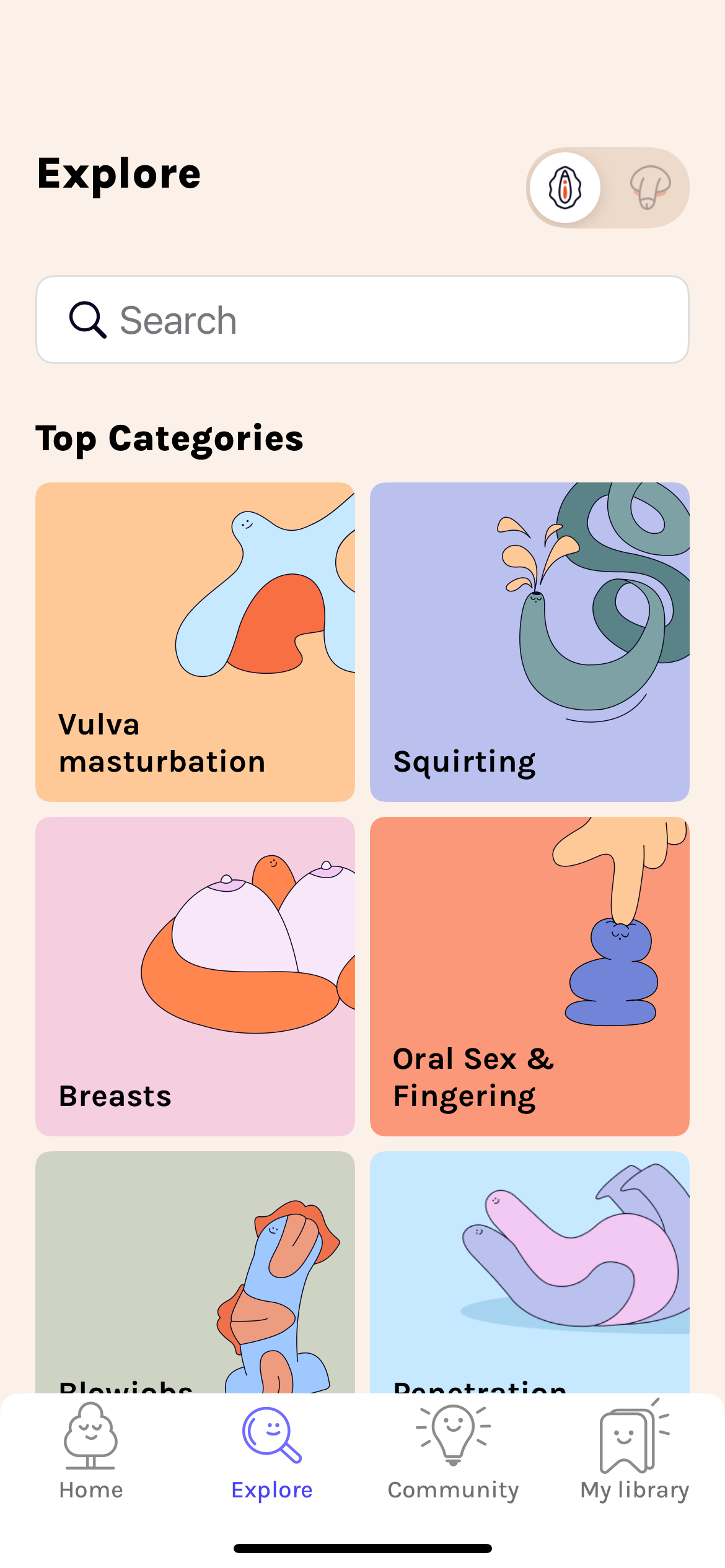
We launched the Kama app in 2020, as a tool to help individuals and couples of all ages and sexual preferences, harness pleasure and sex as a mindfulness and self-development practice.
By consciously seeking out and prioritising physical pleasure in our lives, we can rewire our brains towards more satisfaction, confidence and happiness. Through repetitive and intentional practice, we strengthen neural connections in our brain, forming new pathways that support positive emotions, resilience, and overall well-being.
Sexual energy is a life force
Ancient traditions such as Tantra, Daoism, and certain parts of the yogic practices believe that sexual energy is a potent life force, often referred to as prana (in yogic traditions) or Qi (in Chinese philosophy, including Daoism).
The idea is that this life force energy is not solely for procreation but can be harnessed and cultivated for overall well-being, spiritual growth, and vitality. Practices such as tantra in Hindu and Buddhist traditions, Daoist sexual practices, and specific yogic techniques involve channeling and conserving sexual energy to promote physical health, emotional balance, and creativity.
By developing our capacity to experience, retain and channel sexual energy, by heightening our sensitivity to sensory pleasure, and by increasing the range of things we find pleasurable, we create a foundation for our wellbeing, healthier relationships and personal transformation.
Ways to cultivate pleasure
There are many ways to cultivate pleasure as a daily practice: from training the pelvic floor, to making masturbation more mindful, building more interoceptive awareness (being more attuned to sensations), or having more open conversations about sex with partners.
Kama is here to help you discover new knowledge about sex and intimacy, that can help you feel more connected to your body, more confident about what you want, and more skillful in receiving and giving pleasure.
Some find sex very natural, while others struggle. Yet, the benefits of pleasure and connection are immense, for everyone.
When we engage in physical activities that are pleasurable, our brain releases neurotransmitters like dopamine and endorphins that promote feelings of happiness and reward, and counteract the negative effects of stress, which plays a role in a large proportion of illness and disease.